

Beginner guide
What Is Heel-to-Toe Drop in Running Shoes?
Heel-to-toe drop is the height difference between the heel and forefoot, usually published in millimeters. Treat it as one comparison fact among many — not a prescription for form, injury prevention or the “right” shoe for beginners.
- It’s a construction number
- Secondary for beginners
- Useful later
Fit, intended use and cushioning preference usually matter more than drop when you are choosing a first daily trainer.
Last reviewed:
Key takeaways
- 01
It’s a construction number
Published in mm on many manufacturer pages.
- 02
Secondary for beginners
Fit, use, and cushioning preference matter more at first.
- 03
Useful later
Helpful when comparing two otherwise similar shoes.
What the number describes
Heel-to-toe drop (sometimes called offset) is the difference in stack height between the heel and the forefoot. A 10 mm drop means the heel sits 10 millimeters higher than the forefoot in the published geometry.
Different daily trainers publish different drops. That can change how a shoe feels, but it does not by itself tell you which shoe is “right” for you.
How beginners should use drop
Treat published drop as one comparison detail among many, alongside weight, cushioning description, widths, and intended use.
If you already like a shoe with a certain drop, that can be a useful reference when comparing alternatives. If you are buying your first pair, prioritize comfort and fit before optimizing for a number.
What not to do with drop numbers
Do not use drop alone to diagnose form issues or choose a shoe as treatment. If you have pain or a medical concern, consult a qualified professional.
Common questions
Is a lower drop better for beginners?
Not automatically. Focus on comfort, fit, and intended use first.
Do I need to match drop exactly when replacing shoes?
Not exactly. Small differences are common. Use feel and fit as the final check.
Related Running-Shoe Guides
- Soft vs. Firm Running ShoesSoft shoes emphasize plush cushioning for easy miles; firmer daily trainers feel more grounded and r…
- What Should Beginners Look for in Running Shoes?Beginners should look for a daily road trainer that matches their real routine, feels comfortable in…
- How Should Running Shoes Fit?Running shoes should feel secure through the midfoot, leave comfortable toe room up front, and match…
- Best Running Shoes for Beginners
- Brooks Ghost vs Nike Pegasus: Which Should You Choose?
Optional examples
These are everyday trainers that illustrate the ideas above — not a ranked “must buy” list. Use them only after you’ve decided what fit, use, and cushioning you want.
We may earn a commission from Amazon links. Disclosure
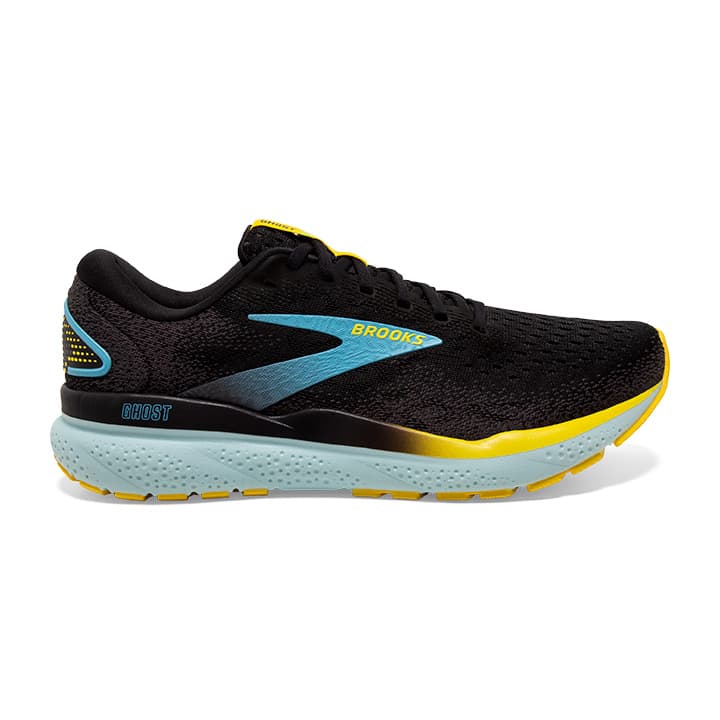
Brooks Ghost 16
Beginners who want a smooth, versatile everyday trainer
Soft-to-balanced daily cushioning · Standard
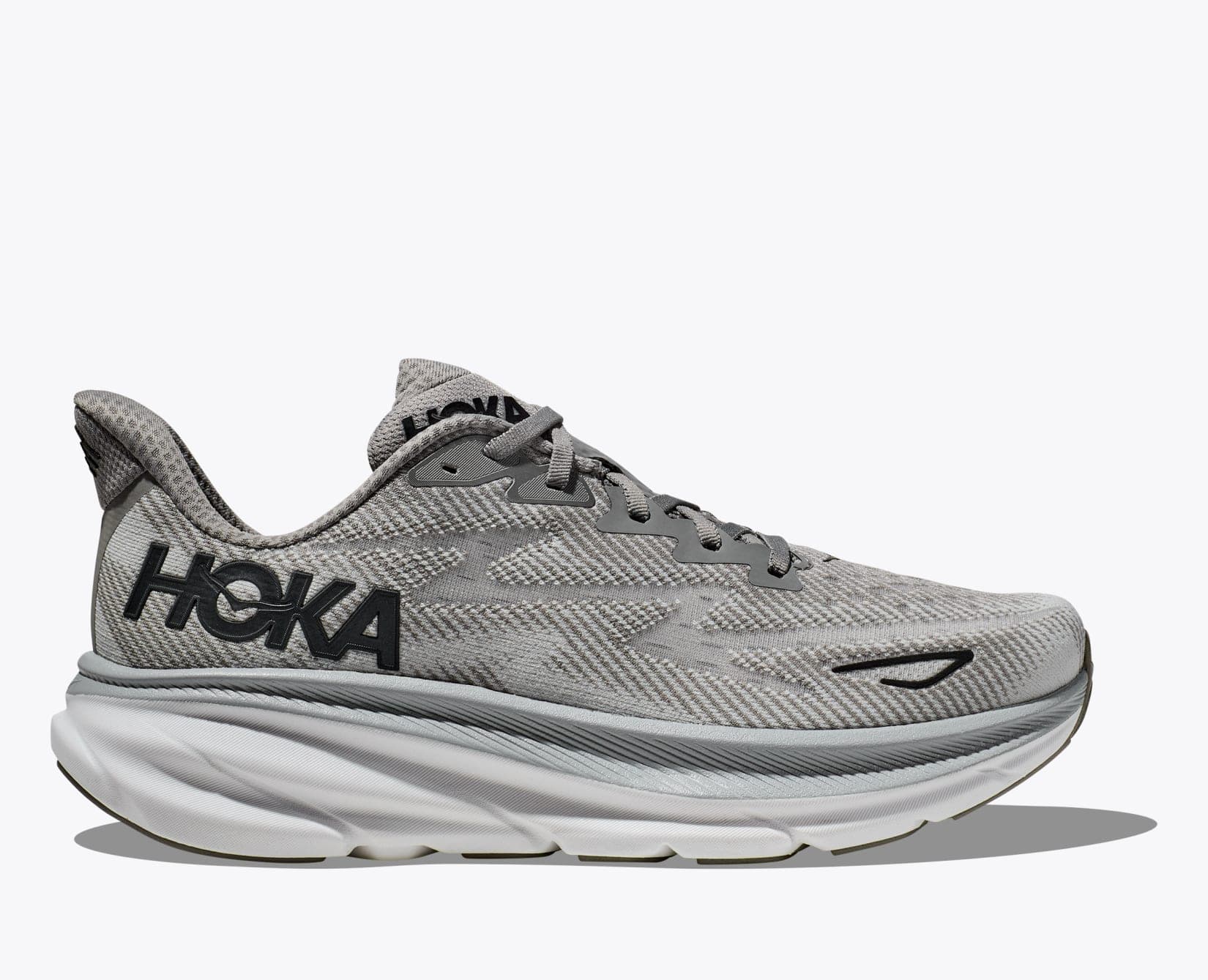
Hoka Clifton 9
Runners who want a lighter maximal cushion feel for easy miles
Soft, high-stack daily cushioning · Standard
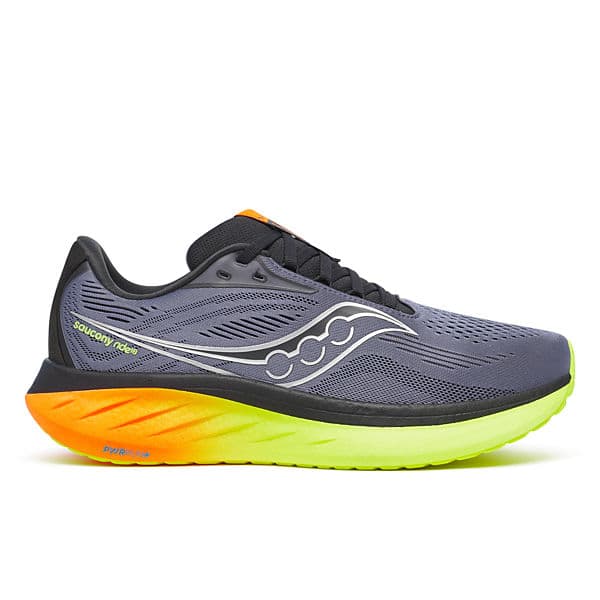
Saucony Ride 18
Beginners wanting a smooth, approachable daily trainer
Soft-balanced daily foam · Standard
Prefer a fuller shortlist? Best Running Shoes for Beginners
Author: My Running Pair Editorial
Last reviewed: 2026-10-08