

Beginner guide
How Should Running Shoes Fit?
A running shoe should feel secure through the midfoot, allow comfortable toe wiggle room, and match the width you actually need — without using pain or medical symptoms as shopping signals.
Key takeaways
- 01
Length & toe room
Enough space up front for the foot to settle on easy miles.
- 02
Midfoot security
Held snugly without lace hot spots or slipping.
- 03
Width match
If length is fine but sides feel tight, change width — not only size.
Why fit matters more than model hype
Beginners often shop by brand story or cushioning claims first. Fit is usually the higher-leverage decision. A well-liked model that pinches or slips will feel worse on walk-run days than a simpler shoe that sits correctly on your foot.
Think in three checks: length, width/volume, and midfoot hold. You can evaluate all three without medical language or lab tests.
Length and toe room
Many recreational runners prefer a little space in front of the toes so the foot can settle during easy miles. If your toes feel jammed into the front, a longer size may help.
If the shoe already feels long enough but still squeezes the sides of your foot, length is not the main problem. In that case, look at wide or roomier options before buying yet another half size up.
Midfoot security
The midfoot should feel held without creating hot spots from the laces. A fit that is loose through the midfoot can feel sloppy on walk-run days even when the toe box seems fine.
Try adjusting the lace pattern before abandoning a shoe that is otherwise close. If the midfoot still feels vague or overly tight after a careful lace, another model or width is usually a better next step than hoping the upper “breaks in.”
Width is a real shopping variable
Standard, wide, and extra-wide versions exist because feet differ. Use the width label on the listing when you already know you prefer more girth. Do not assume a standard shoe will stretch into the fit you want.
Width and toe-box room are related but not identical. Some standard shoes feel roomy up front; some wide shoes still feel structured. Match both the label and how the shoe actually feels.
What this guide does not do
This is not medical advice and does not diagnose foot type or recommend shoes to treat pain. If you have pain, numbness, injury, or a medical condition, talk with an appropriate qualified professional rather than treating a shoe as a fix.
Common questions
Should running shoes feel tight at first?
They should feel secure, not painfully tight. Pressure points you hope will “break in” are usually a signal to rethink size, width, or model.
How do I know if I need wide instead of sizing up?
If length feels okay but the shoe squeezes across the forefoot or midfoot, width is the better first experiment. Sizing up mainly changes length.
Do all brands fit the same at the same size?
No. A Ghost, Pegasus, and Clifton can feel different at the same labeled size. Use each brand’s size chart and compare against a pair you already wear comfortably when you can.
Keep learning
Optional examples
These are everyday trainers that illustrate the ideas above — not a ranked “must buy” list. Use them only after you’ve decided what fit, use, and cushioning you want.
We may earn a commission from Amazon links. Disclosure
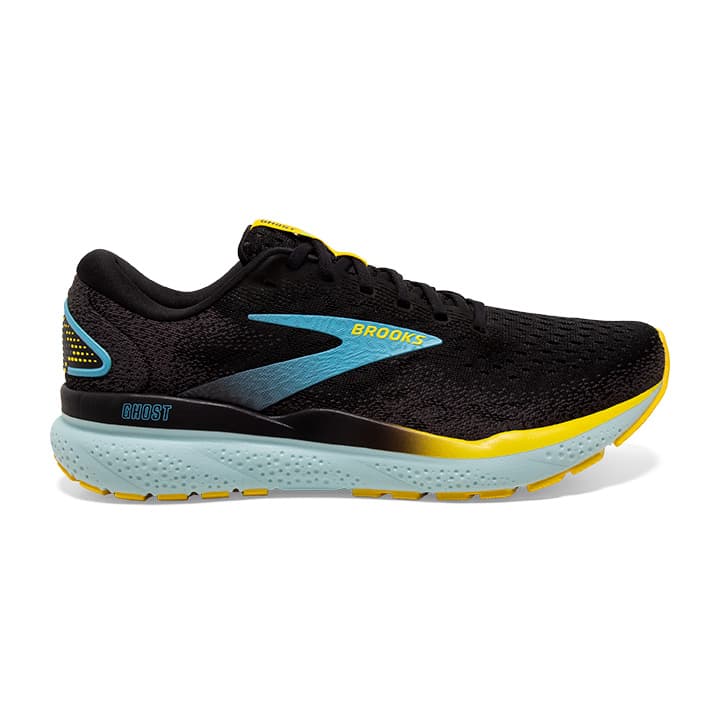
Brooks Ghost 16
Beginners who want a smooth, versatile everyday trainer
Soft-to-balanced daily cushioning · Standard
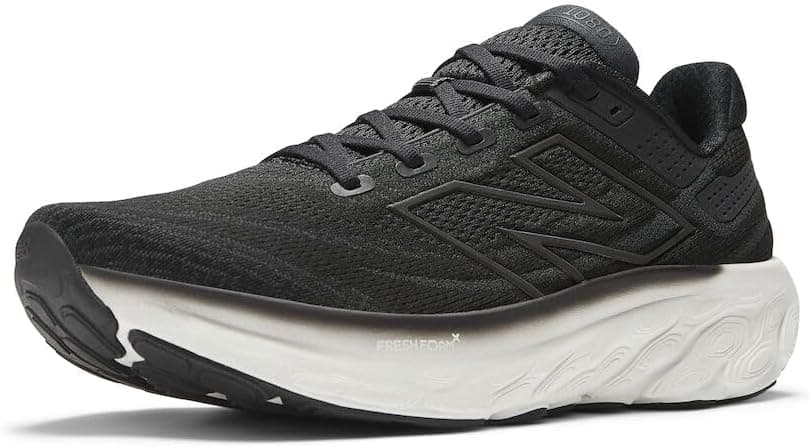
New Balance Fresh Foam X 1080 v13
Runners prioritizing soft cushioning and multiple width options
Soft, plush daily cushioning · Standard
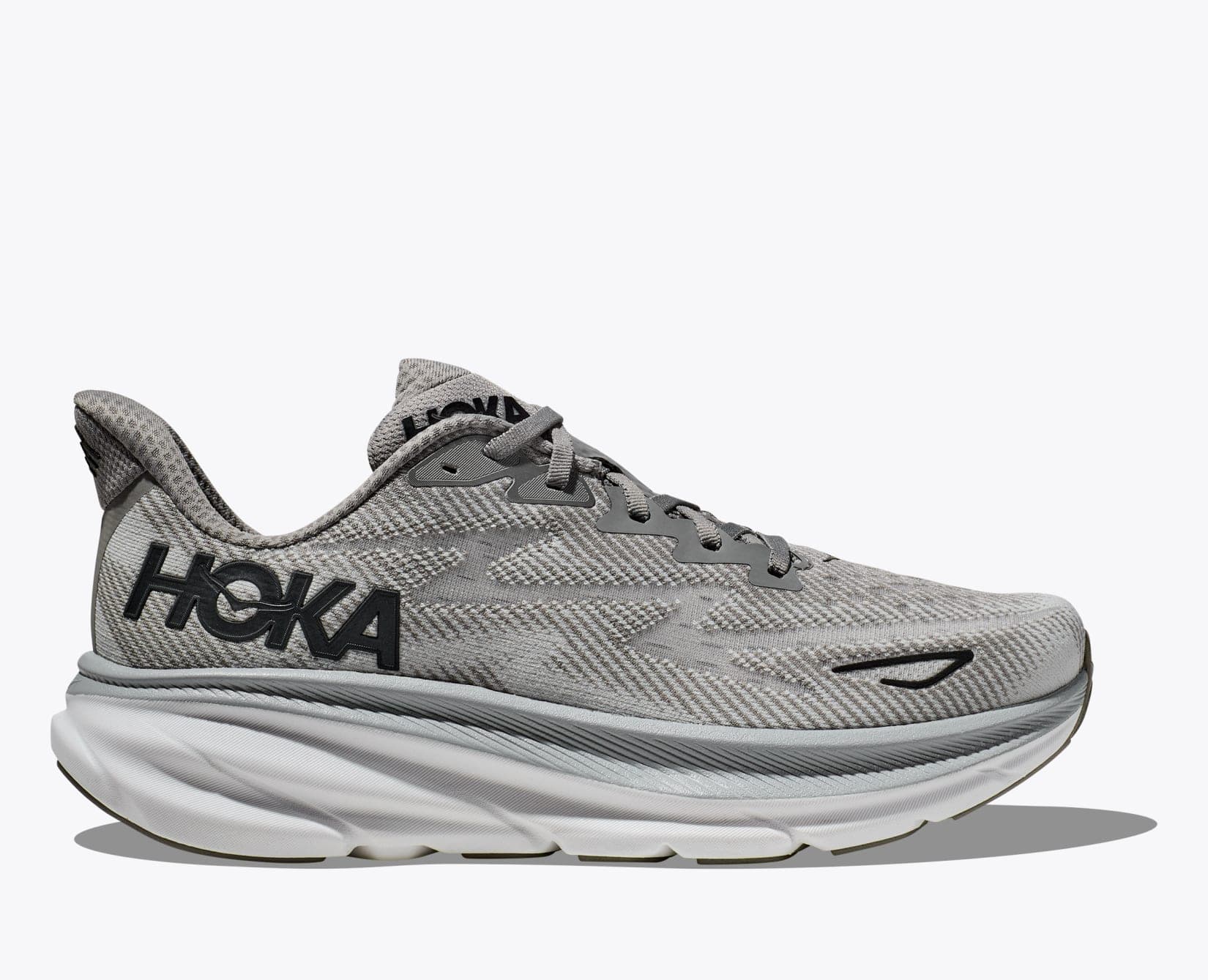
Hoka Clifton 9
Runners who want a lighter maximal cushion feel for easy miles
Soft, high-stack daily cushioning · Standard
Prefer a fuller shortlist? Best Running Shoes for Beginners
Author: My Running Pair Editorial
Last reviewed: 2026-09-19