
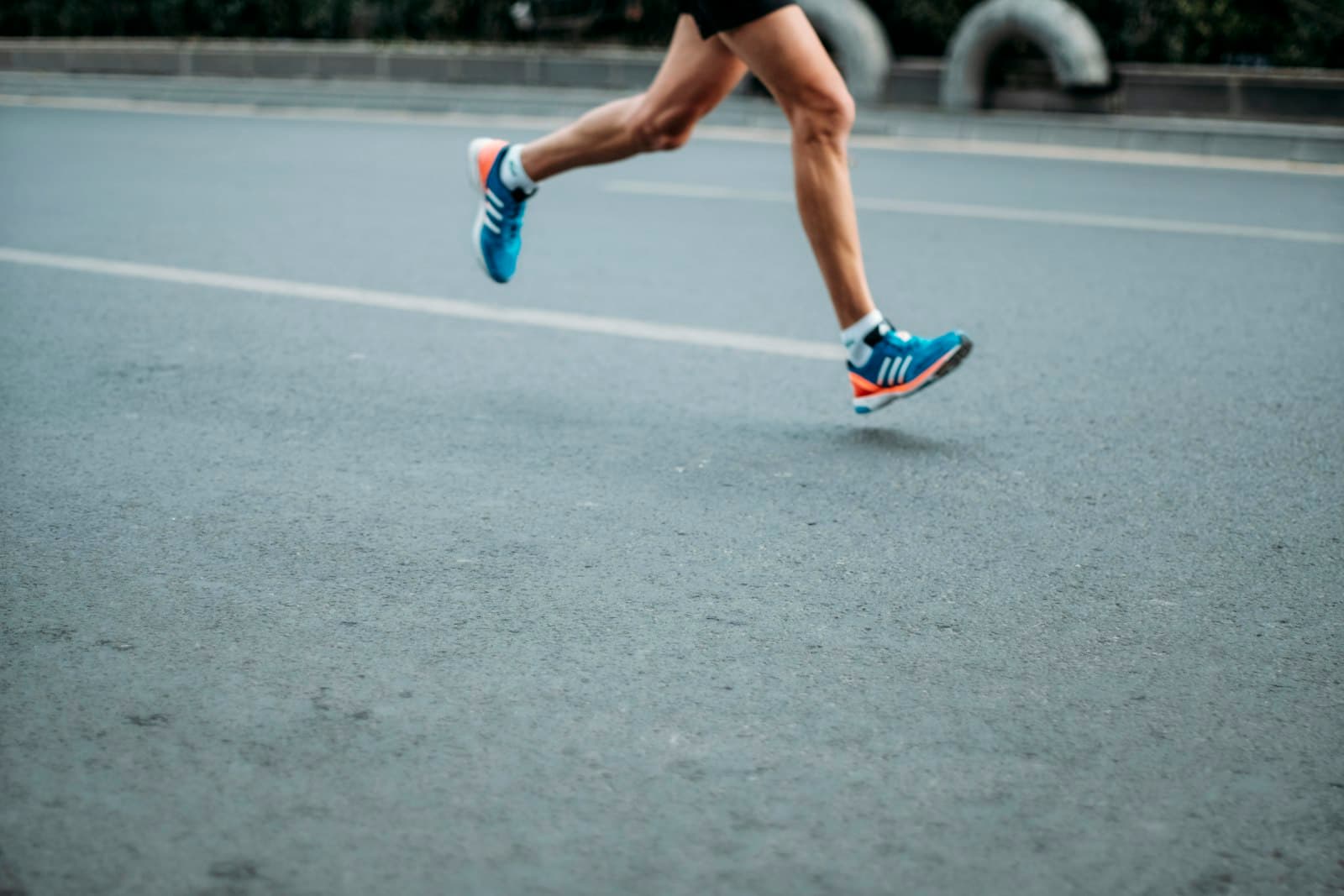
Beginner guide
What Should Beginners Look for in Running Shoes?
Beginners should look for a daily road trainer that matches their real routine, feels comfortable in the right length and width, fits their cushioning preference, and has clear availability in common sizes.
Key takeaways
- 01
Intended use
Easy road, walk-run, treadmill, or mixed — match the shoe to your week.
- 02
Fit first
Length, width, and midfoot security beat marketing jargon.
- 03
Cushioning preference
Soft stack or balanced daily feel — pick what you’ll enjoy.
- 04
Budget clarity
Current or prior-gen is fine if the listing is clear.
- 05
Availability
Confirm your size and width from a credible seller.
Start with how you will actually run
The most useful first filter is your routine, not a brand slogan. Are most of your sessions neighborhood walk-run, treadmill steady efforts, or short continuous easy runs?
A daily road trainer covers those beginner patterns. Trail shoes, racing flats, and highly technical performance models are usually distractions for a first pair.
Fit before features
A shoe that matches your length and width needs will outperform a hyped model that pinches or slips. Check toe room, midfoot security, and whether you need an explicit wide option.
If you already know you prefer more volume, prioritize models with verified wide or roomier fit options instead of forcing a standard shoe.
Choose a cushioning preference, not a buzzword
Soft maximal shoes and more balanced daily trainers can both work for beginners. Soft can feel great for easy miles; balanced shoes can feel more familiar and versatile.
There is no universal “best” feel. Pick the description that matches how you want easy days to feel, then confirm fit.
Budget without getting trapped by the lowest price
Many beginners do well in the roughly $100–$150 band, and prior-generation listings can land lower. A clear model identity and your size/width in stock matter more than the cheapest thumbnail.
Spend more when you need a specific current model, width, or cushioning feel that is not discounted — not because a higher price automatically means a better first shoe.
What you can ignore for now
Elite racing plates, trail-only lugs, and dense technical marketing language are usually distractions for recreational first pairs. You can explore specialty shoes later once you know what you like.
A simple decision order
1) Define your use. 2) Decide soft vs balanced preference. 3) Check length and width needs. 4) Shortlist two or three clear daily trainers. 5) Confirm live size availability. 6) Only then compare price.
That order keeps shopping practical and reduces impulse buys driven by ads or unfamiliar jargon.
Common questions
What is the best first running shoe?
There is no single best shoe for everyone. Start with a versatile daily trainer that fits, matches your routine, and is clearly available in your size.
Do beginners need stability or motion-control shoes?
This site does not diagnose foot type or recommend shoes as treatment. Shop by intended use, fit preference, and cushioning feel — and talk with a qualified professional if you have a medical concern.
How many pairs do I need to start?
One well-chosen daily trainer is enough for most beginners. Add specialty shoes later if your routine expands.
Keep learning
- How Should Running Shoes Fit?A running shoe should feel secure through the midfoot, allow comfortable toe wiggle room, and match …
- How Much Should Running Shoes Cost?Many solid beginner daily trainers cost roughly $100 to $150, with previous-generation or sale listi…
- Soft vs. Firm Running ShoesSoft shoes emphasize plush cushioning for easy miles; firmer daily trainers feel more grounded and r…
Optional examples
These are everyday trainers that illustrate the ideas above — not a ranked “must buy” list. Use them only after you’ve decided what fit, use, and cushioning you want.
We may earn a commission from Amazon links. Disclosure
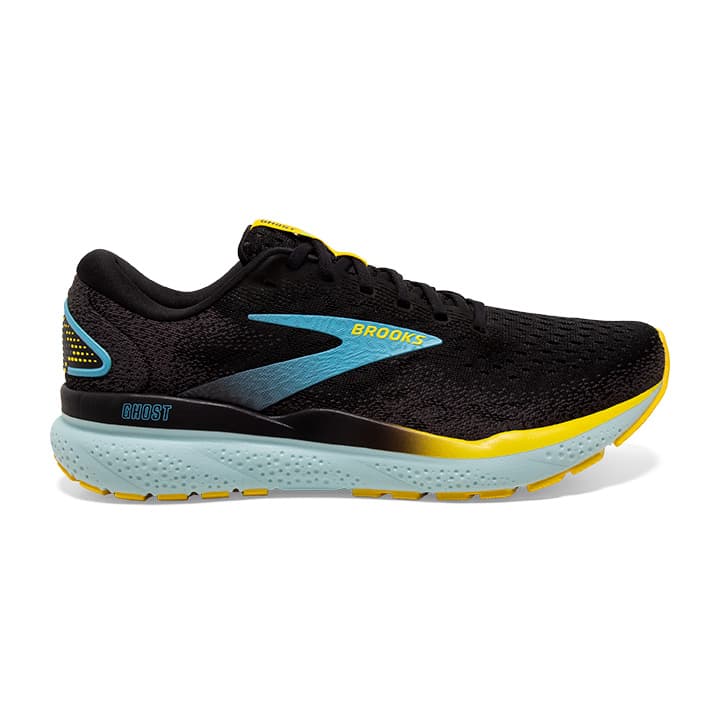
Brooks Ghost 16
Beginners who want a smooth, versatile everyday trainer
Soft-to-balanced daily cushioning · Standard
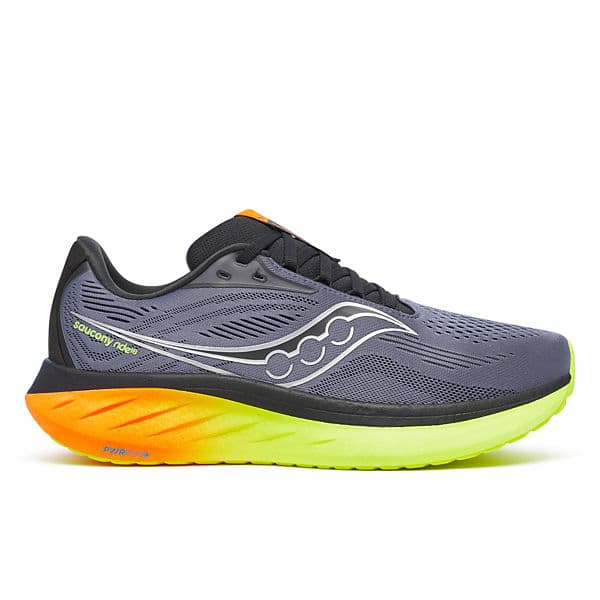
Saucony Ride 18
Beginners wanting a smooth, approachable daily trainer
Soft-balanced daily foam · Standard
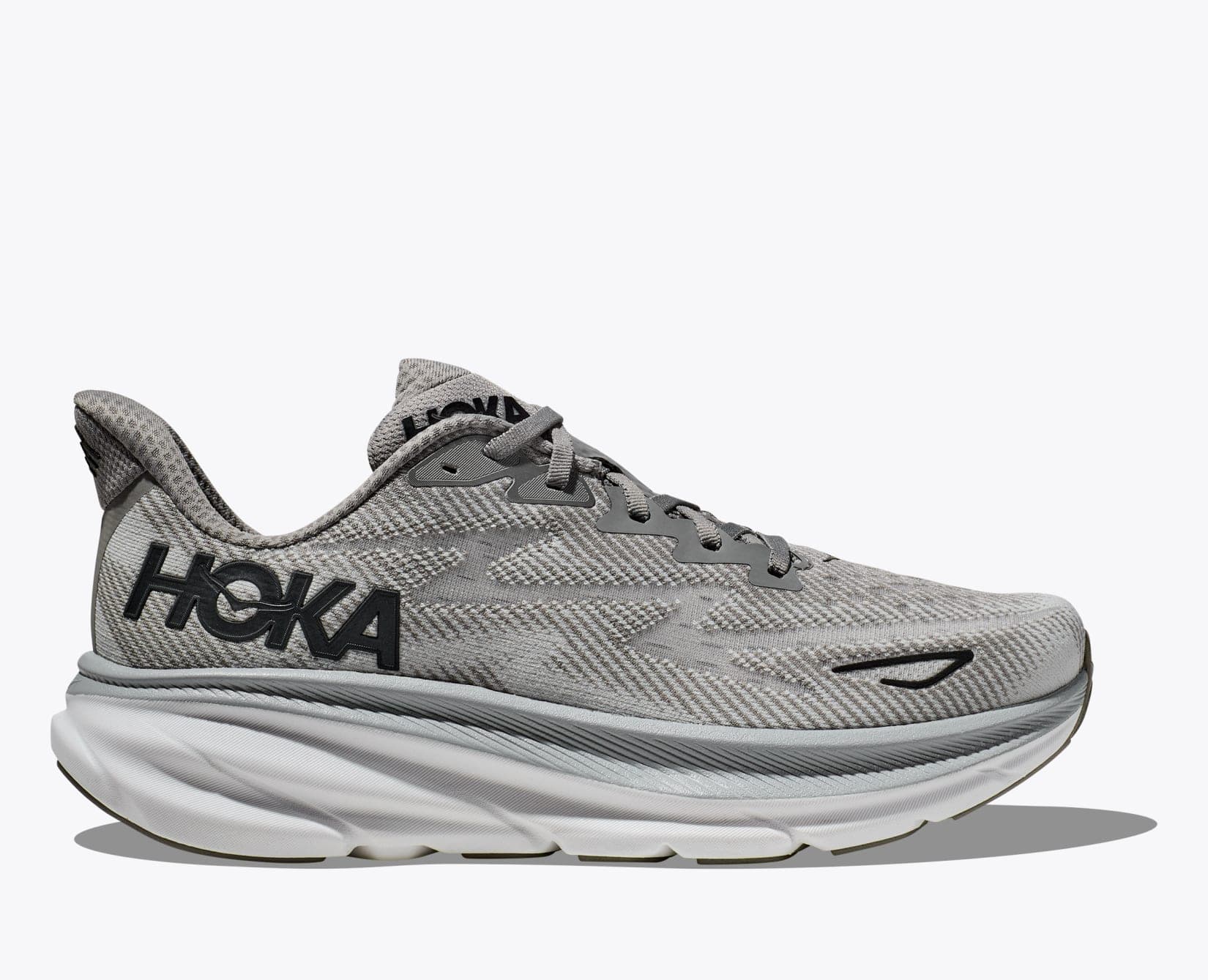
Hoka Clifton 9
Runners who want a lighter maximal cushion feel for easy miles
Soft, high-stack daily cushioning · Standard
Prefer a fuller shortlist? Best Running Shoes for Beginners
Author: My Running Pair Editorial
Last reviewed: 2026-09-19